

 Omid Safari
Hier klicken für die deutsche Version.
Modern industrial systems often suffer from an energy-performance gap, where the theoretical potential for energy efficiency significantly exceeds what is achieved in real factory operations. Manufacturers must constantly balance high production speeds with limited resources, tight delivery schedules, and increasing sustainability requirements – making energy-efficient decision-making very challenging. Traditional manufacturing environments typically lack integrated tools that link energy management with Life Cycle Assessment (LCA), resulting in fragmented views of performance, cost, and environmental impact.
The ECOFACT project [2] addresses this challenge by introducing a holistic, data-driven approach that combines real-time energy monitoring with product-specific environmental and energy footprints. By doing so, it supports sustainable production decisions and enables a novel form of green marketing, offering greater transparency to customers regarding the environmental impact of manufactured products. Leveraging advanced information and communication technologies, ECOFACT realizes flexible, demand-oriented, and customized sustainable manufacturing. Central to this vision is a comprehensive multi-service digital platform that integrates energy-efficient production planning, sustainable process optimization, and intelligent manufacturing management into a single, unified environment that helps manufacturers close the gap between productivity and sustainability.
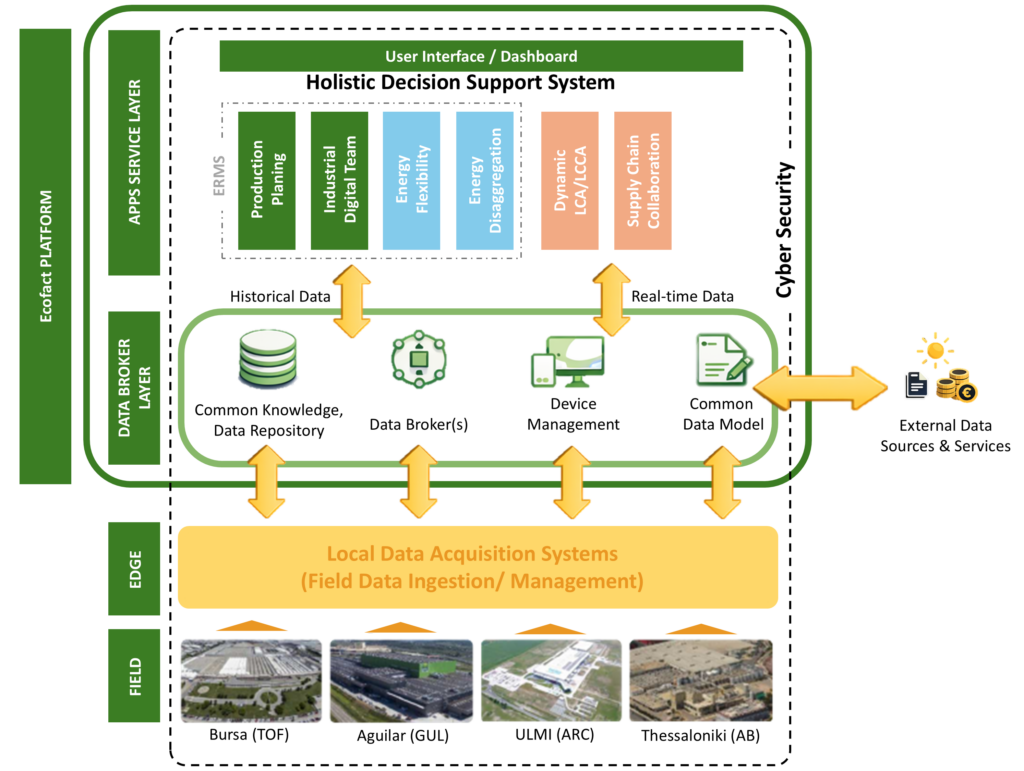
Figure 1: © Fraunhofer IWU, ECOFACT Platform: From Field Data to Industrial Intelligence Based on [2]
The ECOFACT Solution – Technology Pillars
| Pillar | Core Idea | Key Contribution |
| Integrated Platform | Information- and Communication Technology (ICT)-based platform integrating data from factory floor to process level | Enables unified monitoring, analysis, and optimization of operational, energy, and environmental data with sustainability as a Key Performance Indicator (KPI) |
| Digital Twins for Energy-Aware Manufacturing | Real-time digital twins of production systems and assets | Enable simulation and prediction of energy consumption, efficiency, and environmental impacts prior to real-world implementation |
| Dynamic LCA & LCCA | Near real-time life cycle environmental (LCA) and cost assessment (LCCA) | Transforms sustainability from static reporting into a continuous, operational decision parameter |
| Decision Support System (DSS) | Intelligent analytics and recommendation engine | Provides actionable guidance for energy-efficient and sustainable production planning and operations |
Real-World Impact: The Demo Sites
ECOFACT is being validated at four industrial pilot sites in four different countries and four different industries. In this article, we present two of these pilot sites in Romania and Turkey.
Arçelik – Arctic Factory (Romania) [3]
The Arçelik demo site is a modern, large-scale washing machine manufacturing facility that includes comprehensive in-house production lines for components like tubs, drums, and cabinets, alongside final assembly and testing. The facility faces the challenge of managing complex material flows across multiple production phases while accurately predicting the energy demand of varying production schedules.
Solutions: At the Fraunhofer IWU we developed a detailed material-flow simulation model using Siemens Tecnomatix Plant Simulation. This solution integrates historical production data and machine-specific energy consumption data to create a “Digital Twin” of the factory. The model simulates everything from plastic injection molding to final packaging, incorporating transportation systems and buffer stock levels to reflect real-world constraints. Also, sensor data have been deployed on the main production and utility systems to capture electricity, thermal (gas/ steam) and water flows in real time. A digital twin of the assembly lines and building systems was created. ECOFACT’s platform integrates this data with simulation models (e.g., material-flow and energy models). Fraunhofer IWU and other partners led six demo use-cases at Arçelik, focusing on real-time monitoring, traceability and energy-aware scheduling.
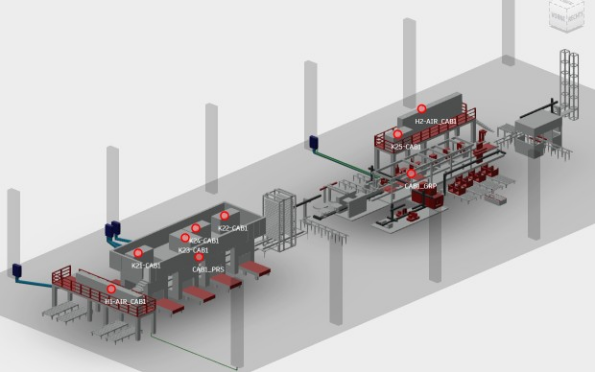
Figure 2: Digital Twin Model of the Production Line with Real-Time Sensor Integration – Arçelik
*** © Created with Digital Twin Platform by One Team SpA, Autodesk
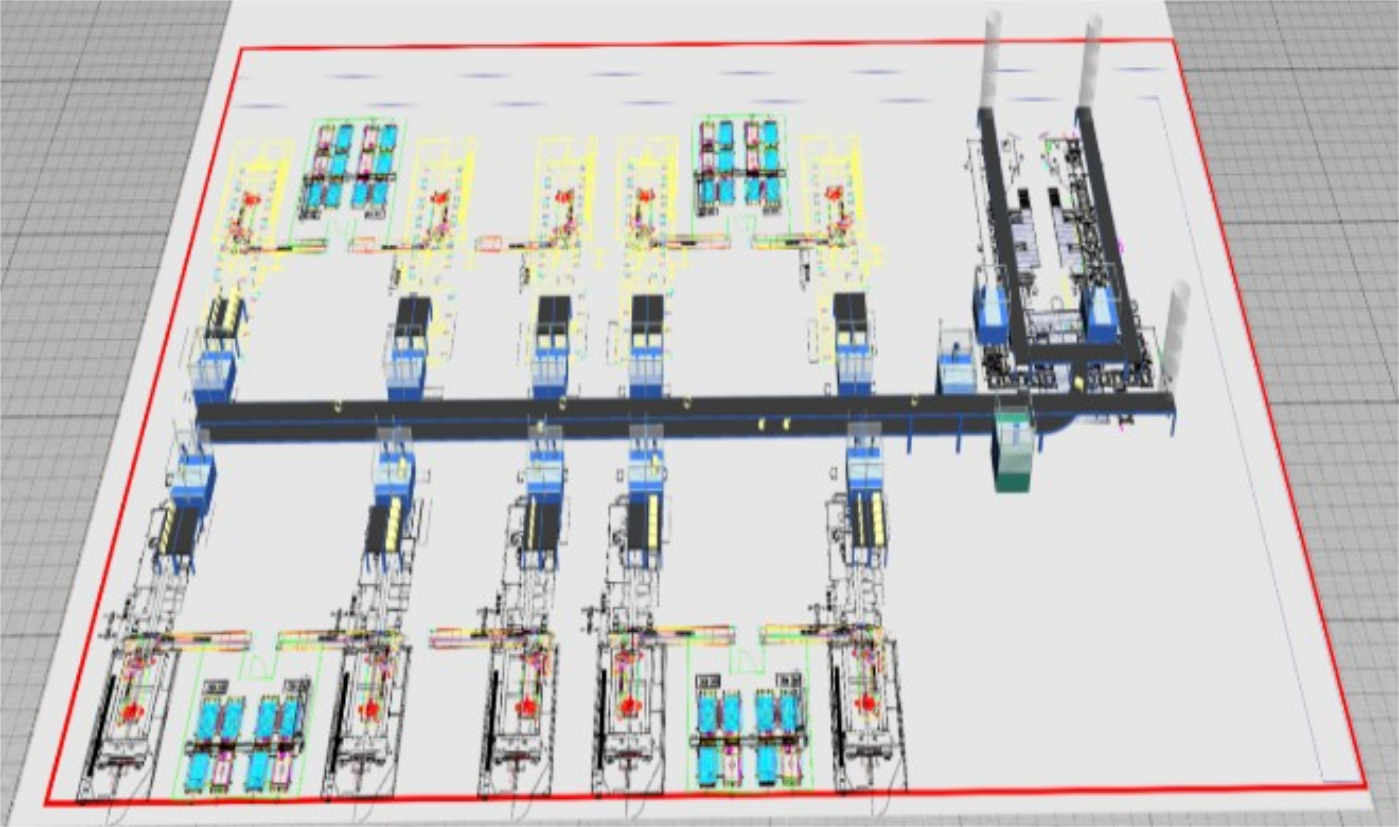
Figure 3: Developed Simulation Model – Arçelik
*** © Fraunhofer IWU – Created with Siemens Technomatix Plant Simulation
Results:
The simulation serves as a predictive management tool that validates the feasibility of future production plans before implementation. By prognosticating energy demands alongside production output, Arçelik can identify potential optimization directions, improve resource allocation, and enhance overall factory profitability through more informed decision-making. Figures 4 and 5 depict the production ramp-up and energy consumption for the upcoming production plan, supporting the optimization of production scheduling.
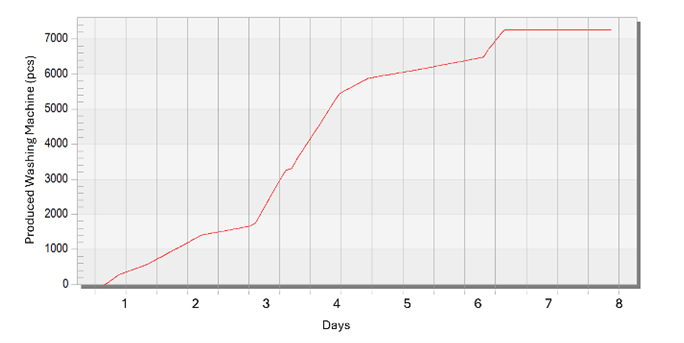
Figure 4: Production Ramp-Up of the Upcoming Production Plan
*** © Fraunhofer IWU – Created with Siemens Technomatix Plant Simulation
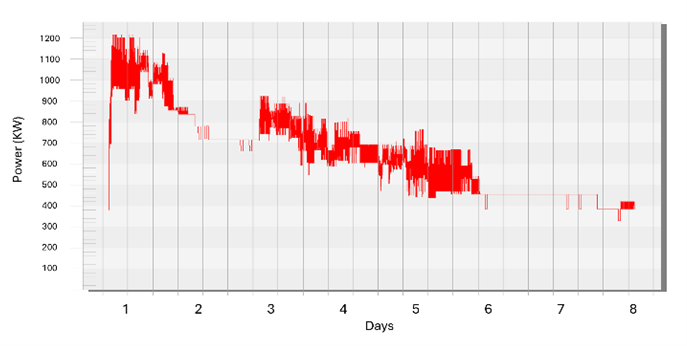
Figure 5: Energy Consumption of the Upcoming Production Plan
*** © Fraunhofer IWU – Created with Siemens Technomatix Plant Simulation
Tofaş (Turkey) [4]
Tofaş operates a high-capacity automotive plant where the paint shop is a primary focus for energy efficiency. The project addressed two critical areas: the energy-intensive preheating process of the E-Coat line (pools and ovens) and the “Lotti Colori” batching platform, which acts as a buffer before the Top-Coat line. Manual start-up settings often led to early preheating, resulting in significant energy waste.
Solutions:
We implemented two specialized simulation sub-models:
| Solution | Purpose | Key Functionality |
| E-Coat Start-up Optimizer | Optimize E-Coat start-up timing | Uses genetic algorithms to recommend optimal start-up times based on car body buffers, production rates, and ambient temperature |
| Batching Validation Model | Validate optimized color batching | Simulates batching sequences for the Lotti Colori platform to ensure efficiency without creating production bottlenecks |
Also, over 450 IoT parameters (temperatures, electric/ gas meters, machine states, etc.) are now monitored across the primer, e-coat and topcoat lines. The DTP visualizes this data on 3D line models (e.g., Eisenmann, Geico lines) and feeds it into planning tools.
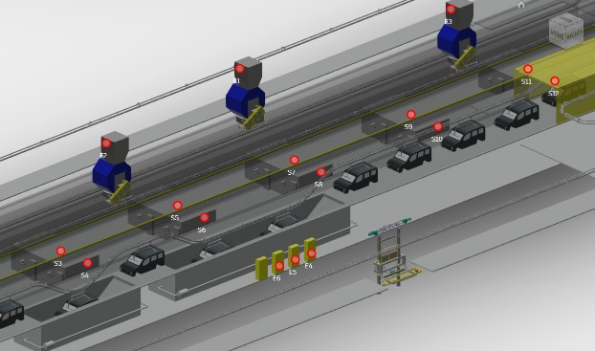
Figure 6: Digital Twin Model of the Production Line with Real-Time Sensor Integration- Tofaş
*** © Created with Digital Twin Platform by One Team SpA, Autodesk
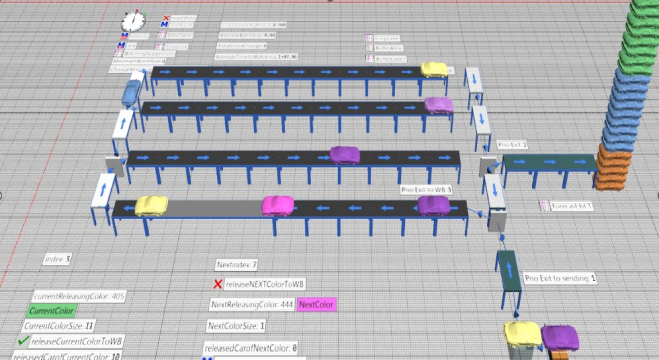
Figure 7: Developed Simulation model for Batchingt optimization- Tofaş
*** © Fraunhofer IWU- Created with Siemens Technomatix Plant Simulation
Results:
The E-Coat solution provides quantitative recommendations that minimize “idle” preheating time, directly reducing energy loss without risking production delays. The batching validation also successfully proved that increasing average batch sizes is feasible within current transport and storage capacities, leading to optimized paint usage and improved productivity for the Top-Coat line.
*** THIS PROJECT HAS RECEIVED FUNDING FROM THE EUROPEAN UNION’S HORIZON 2020 RESEARCH AND INNOVARTION PROGRAMME UNDER GRANT AGREEMENT NO 958373
Header image: Generated by AI, Gemini on 21/01/2026
References:
[1] Khan, M.Q.; Alvi, M.A.H.; Nawaz, H.H.; Umar, M. (2025). Impact of Digital Twins on Real Practices in Manufacturing Industries. Inventions 2025, 10(6), 106. https://doi.org/10.3390/inventions10060106
[2] Ecofact. (n.d.). Ecofact Vision. Abgerufen am 21. Januar, 2026. https://ecofact-project.eu/about/
[3] Ecofact. (2021, 04. March). Demo Site Spotlight – Arçelik. Retrieved January 21, 2026. https://ecofact-project.eu/demo-site-spotlight-arcelik/
[4] Ecofact. (2021, 25. August). Demo Site Spotlight – Tofas. Retrieved January 21, 2026. https://ecofact-project.eu/demo-site-spotlight-tofas/

 Lisa Helbig
 Maxi Grobis
 Florian Zumpe


Kommentare hinzufügen